Refractory Engineering Knowledge Base
Technical guides, comparison articles, and industry insights from SAPL's engineers 45+ years of refractory expertise, shared freely. Transparent knowledge for better industrial decisions.

High Alumina Bricks: Complete Specification Guide (AL45 to AL90)
High alumina bricks are the workhorses of the refractory world, used in everything from cement kilns to steel ladles. This guide breaks down every grade from AL45 to AL90 with specifications, properties, and application guidance so you can specify the right brick every time.

Refractory Castable Installation Guide: LCC vs ULCC vs Conventional
Refractory castables offer design flexibility and monolithic construction, but their performance depends entirely on correct installation. This guide covers the differences between conventional, LCC, and ULCC castables and walks you through mixing, placing, curing, and heat-up best practices.
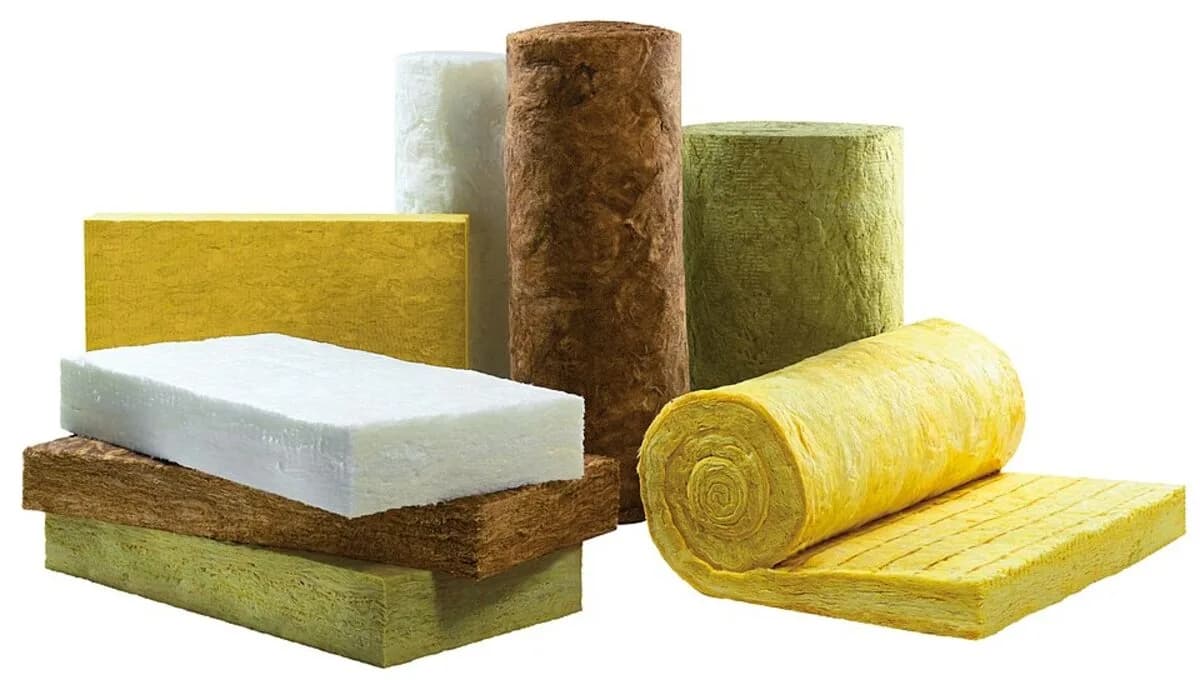
Ceramic Fiber Blanket vs Insulating Fire Brick: Which to Choose?
Ceramic fiber blanket and insulating fire brick both serve as thermal insulation in high-temperature equipment, but they work differently and suit different applications. This comparison covers performance, cost, and a decision matrix to help you choose.

Steel Ladle Refractory Lining: Material Selection & Campaign Life Optimization
The steel ladle is one of the most demanding refractory applications in a steel plant. This comprehensive guide covers material selection for every zone, from the slag line to the bottom, and shares practical strategies to maximize campaign life.

Cement Kiln Refractory Zones: Complete Material Selection Guide
A cement rotary kiln is divided into distinct refractory zones, each with unique thermal, chemical, and mechanical demands. This guide provides a zone-by-zone breakdown of material selection with specifications and optimization strategies.

Acid Proof Brick Lining for Chemical Plants: Complete Guide
Acid proof brick linings protect chemical plant equipment from corrosive acids and chemicals. This guide covers material selection, installation best practices, jointing materials, and testing procedures for reliable chemical resistance.

Refractory Materials for Glass Melting Furnace: AZS, Zircon & Silica
Glass melting furnaces require specialized refractories that can withstand temperatures above 1,500 degC while resisting attack from highly corrosive molten glass. This guide covers material selection for every furnace zone from the glass contact sidewalls to the crown and regenerator.

Slide Gate Plate Selection Guide for Steel Ladles
Slide gate plates are precision refractory components that control the flow of molten steel from ladles to tundish. Selecting the right type, material, and bore diameter is critical for clean steel production and safety. This guide covers everything you need to know.

How to Reduce Refractory Consumption in Steel Plants
Refractory consumption is a major cost driver in steel plants, typically Rs 500-1,500 per tonne of steel produced. This guide presents a systematic approach to reducing refractory costs through material optimization, operational improvements, and total cost of ownership thinking.

Refractory Supplier Selection: 10 Things to Check Before You Buy
Choosing the wrong refractory supplier can cost you far more than the price difference between quotes. This checklist of 10 critical factors will help procurement managers and plant engineers evaluate refractory suppliers objectively and avoid common pitfalls.

Magnesia Carbon Bricks for BOF & EAF: Selection & Performance Guide
Magnesia-carbon bricks are the backbone of BOF and EAF lining systems. This guide explains how carbon content, magnesia purity, antioxidant selection, and operational factors influence performance. Make informed decisions to optimize campaign life and reduce total cost.

Importing Refractories from India: A Buyer's Guide for International Clients
India is one of the world's largest refractory producing countries, offering a wide range of quality products at competitive prices. This guide helps international buyers navigate the process of importing refractories from India, from finding suppliers to managing logistics.

Induction Furnace Lining Failure: Common Causes & How to Prevent Them
Induction furnace lining failures are costly and dangerous. Understanding the failure modes, their root causes, and prevention strategies can save lakhs in downtime and material costs. This guide analyzes the most common failure types with real-world insights from decades of field experience.
Refractory Anchors & Fastening Systems: Types, Selection & Installation
Refractory anchors are the hidden heroes of monolithic lining systems. They hold castable, gunning, and plastic refractories in place against gravity, vibration, and thermal cycling. This guide covers all major anchor types, selection criteria, spacing guidelines, and installation best practices.

AL70 vs AL80 High Alumina Bricks: Which Grade for Your Steel Ladle?
AL70 (68–72% Al₂O₃) offers an excellent balance of cost and performance for general ladle working linings, while AL80 (78–82% Al₂O₃) delivers superior hot strength for demanding slag lines and safety linings. A practical selection guide comparing key parameters.
Low Cement Castables: Best Practices for Installation & Heat-Up
Proper installation is critical for LCC performance. This guide covers optimal water addition (4–6%), mixing requirements, vibration casting vs. self-flow, curing procedures, and controlled heat-up schedules to prevent explosive spalling.
Cement Kiln Refractory Cost & Campaign Life: A Buyer's Guide by Zone
Cement kiln refractory is only 3-5% of production cost, but the wrong procurement plan turns a scheduled reline into an unplanned multi-day stoppage. This guide covers realistic campaign life by zone, brick-vs-castable cost tradeoffs, and how to plan shutdowns and sourcing so the kiln never waits on a container.
Flow Control Refractories: Slide Gate Systems Fully Explained
Modern continuous casting demands precise flow control. This article covers slide gate plate materials (Al₂O₃-C, Al₂O₃-ZrO₂-C, MgO-C), nozzle selection criteria, anti-clogging strategies with argon purging, and practical tips for achieving longer sequence casting without interruption.
Gunning vs Casting Refractories: When to Use Which Method
Gunning offers rapid installation and hot repair capability with minimal downtime, while casting provides denser, stronger linings for new construction. This guide compares application methods, rebound loss, material properties, cost implications, and provides a decision framework for plant engineers.
Top 10 Refractory Dealers in Delhi NCR 2026: Honest Comparison for Buyers
If you run a steel re-rolling mill in Wazirpur, an aluminium die-casting shop in Manesar or a foundry in Sahibabad, choosing the right refractory dealer is as important as choosing the right material. This guide walks through what to look for in a Delhi NCR refractory supplier in 2026, the trade-offs between authorised dealers, traders and factory agents, and a practical checklist you can use before placing your next order.
Castable Refractory Cement in Delhi NCR: 2026 Buyer's Guide
Castable refractory cement is the workhorse lining for boilers, reheating furnaces, kiln hoods, transfer chutes and shaped anchors across Delhi NCR plants. This buyer's guide explains the differences between conventional, low cement and ultra low cement castables, how to pick the right alumina content, what curing and dry-out look like in practice, and how castable pricing works in 2026.

Refractory Lining Maintenance: 12-Step Checklist to Extend Campaign Life
Most refractory linings fail well before their designed campaign life because of avoidable maintenance misses. This 12-step checklist, drawn from 45 plus years of plant visits across steel, cement, aluminium, glass and power plants, covers the inspection, patching, dry-out, slag control and shutdown actions that buy you the extra heats your technical datasheet promised.

Maintenance Scheduling for Refractory Linings: A Plant Engineer's Complete Guide
The difference between a 250-heat ladle campaign and a 140-heat campaign is rarely the grade of brick, it is whether the maintenance schedule was followed. This guide gives you the exact inspection intervals, patching triggers, shutdown timelines and reline decision criteria for steel ladles, induction furnaces, cement kilns, boilers and aluminium melting furnaces.
Gunning Castable: Complete Guide to Grades, Applications and Selection
Technical guide to gunning castable (gunite) refractory covering dense vs insulating grades, full application matrix for steel, cement and power sectors, rebound loss data, and how to choose the right grade.

Porous Plug Refractory: How It Works, Types and Selection Guide
A porous plug is the gas-permeable refractory element in a steel ladle used for argon purging. This guide explains how it works, corundum vs magnesia grade selection, purging rates, replacement frequency, and steel quality benefits.

Acid Proofing: Acid-Resistant Brick Lining Systems Explained
Acid proofing protects plant floors and tanks from corrosion. Learn the acid-resistant brick lining build-up, mortars, and how to select the right system.

Best Refractory Suppliers in India: How to Choose (2026 Guide)
How to choose the best refractory supplier in India: selection criteria, supplier types, and the products and engineering support a full-range partner should offer.
What is Ramming Mass? Types, Uses and Selection Guide
Ramming mass is a dry refractory for induction furnace linings. Learn the silica, neutral and basic types and how to select the right grade.

What is Castable Refractory? A Complete Guide
Castable refractory is a refractory concrete mixed with water and cast into shape. Learn the types, uses and how to choose the right grade.
Why the UAE Imports Magnesia Carbon Bricks from India
UAE steel plants import magnesia carbon (MgO-C) bricks from India for cost, quality and short transit. Here is why India is the preferred source.

Why GCC Steel Plants Source Refractories from India
GCC steel and cement plants source refractories from India for cost, full-range supply and short Gulf transit. Here is the buyer's case for India.

Refractory Materials for Aluminium Smelters and Remelt Plants: GCC & India
A guide to refractory selection for aluminium smelters and remelt furnaces, with the GCC and India expansion context driving demand in 2026.
Refractory for New GCC Steel Plants: EAF, Ladle and Continuous Casting
New GCC steel plants need EAF, ladle and continuous-casting refractories. A guide to the lining system and why India is the preferred source in 2026.
Alternatives to Fire Bricks: Castables, Ceramic Fibre and When to Switch
Castables, ceramic fibre and insulating bricks are the main alternatives to fire bricks. Compare cost, install speed and temperature, and when to switch.
Bottom Pouring Set: Refractory Components, Selection and Supply
A bottom pouring set is the refractory assembly used to teem steel ingots from below. Learn the components, grades and how to source from India.
EAF Refractories: What the Green Steel Transition Means for Your Lining Specification
The steel industry's green transition is the single biggest structural shift in refractory demand in decades. EAF capacity is expanding globally while blast furnace routes decline, and with it, the refractory specifications are changing. This guide covers what EAF and DRI-based steelmaking demand from your lining, which MgO-C and monolithic products are relevant, and why India is at the centre of this shift.
Monolithic vs Brick Steel Ladle Lining: Why More Steelmakers Are Making the Switch
Monolithic castable linings are gaining ground over traditional brick construction in steel ladles, and the main reason is time. Faster installation, simpler repair, and consistent quality with less skilled labour are driving the shift. This guide compares the two approaches across the metrics that matter: installation speed, campaign life, relining cost, and the specific zones where each remains the better choice.

Alternative Fuels in Cement Kilns: Choosing Alkali-Resistant Refractories for AF Conversion
Cement plants across India and internationally are increasing alternative fuel use to cut costs and carbon intensity. But shifting from coal to tyres, RDF, biomass, or waste solvents brings a more chemically aggressive kiln environment, specifically higher alkali, chloride, and sulphur inputs that attack refractories harder and faster than coal combustion gases. This guide explains the mechanisms, the at-risk kiln zones, and the refractory specifications that protect campaign life as thermal substitution rates increase.
Refractory Supplier for Nigeria & West Africa: The Complete Import Guide from India
West Africa's cement, steel and glass industries run almost entirely on imported refractories, and India has become the region's preferred source. This guide covers what Nigerian and West African plants should know when sourcing from India: shipping routes and lead times, HS codes and documentation, quality verification, and how to structure procurement around lining campaigns.
What Is a Refractory Material? Types, Properties and Applications Explained
A refractory material is a heat-resistant ceramic that retains its strength, shape and chemical stability above 1,000°C. This guide explains the three chemical classes, shaped and monolithic forms, key properties, and how each major industry, steel, cement, glass, aluminium, uses them.
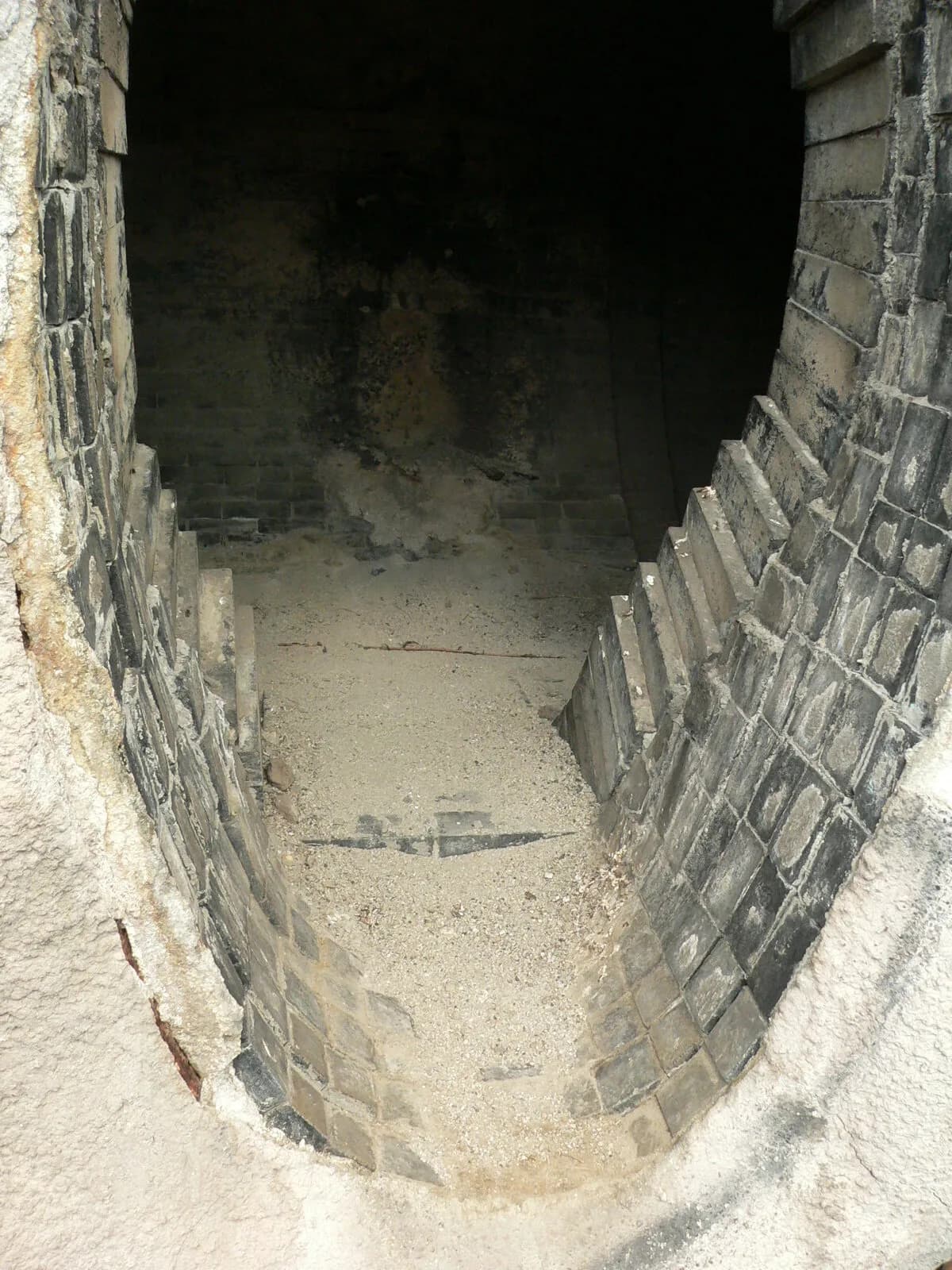
Refractory Consumption per Tonne of Steel: Benchmarks and What Drives Them
How many kilograms of refractories does it take to make a tonne of steel? Modern benchmarks sit around 8–15 kg/t, but the range between plants is enormous, and the gap is operating practice, not material quality. Benchmark tables by region and vessel, and the levers that move the number.
Refractory Supplier for Sri Lanka: The Complete Import Guide from India
Sri Lanka imports virtually all of its refractories, and India is the natural source, Colombo is only 3–7 sailing days from Indian ports. This guide covers HS codes, documentation, LC terms, and how Sri Lankan plants should structure refractory ordering around that short supply line.
Refractory Supply for the Durgapur–Asansol Steel Belt: A Procurement Guide
The Durgapur-Asansol corridor concentrates integrated steel, alloy steel, sponge iron and hundreds of induction furnace and foundry units into 60 km. This guide maps the cluster's two distinct refractory demand profiles and how to structure procurement for each.
Induction Furnace Refractories for the Bellary–Hospet Steel Cluster
Bellary-Hospet is Karnataka's iron and steel heartland: mega-scale integrated capacity, sponge iron kilns and a dense induction furnace cluster running on local ore. This guide covers the ramming mass selection problem DRI-heavy charges create, and how the cluster's melt shops keep lining costs stable.
Boiler Refractory Maintenance: Inspection, Repair and Material Selection
Boiler refractory fails from abrasion, thermal cycling and ash attack, and each failure mode has a different fix. A practical maintenance guide: zone-by-zone inspection checklist, when to patch vs gun vs reline, and the material selection logic for CFBC, AFBC and grate-fired boilers.

Refractory Supplier for Kenya & East Africa: Import Guide from India
East Africa imports virtually all of its refractories, and Kenya's shift from clinker grinding to integrated clinker production is raising the technical bar. This guide covers Mombasa transit times, HS codes, KEBS/PVoC conformity and how to structure campaign-based refractory ordering from India.

Why Indonesia Imports Refractories from India: Smelters, Steel and Cement
Indonesia's refractory demand, USD 197M in 2025, growing 4.1% a year, is powered by the world's biggest nickel smelting build-out plus steel and cement. Here's why Indonesian plants source from India, and how the import route works.

Refractory Supplier for Malaysia: Import Guide from India for Steel & Cement
Malaysia runs blast furnaces, EAFs and induction furnaces side by side, a refractory demand profile few ASEAN markets match, while domestic refractory manufacturing stays limited. This guide covers the India–Port Klang route, HS codes, FTA duty benefits and technology-wise refractory selection.

Refractories for Waste-to-Energy Plants: Surviving Chlorine and Alkali Attack
Waste-to-energy incinerators put refractories through a chemical attack most conventional linings were never designed for, chlorine, sulfur and alkali species that destroy standard castables in months. This guide covers zone-wise material selection and why SiC-bearing castables are non-negotiable in the combustion zone.

Thermal Batteries: Why Energy Storage Startups Are Buying Refractory Bricks
A wave of energy storage startups is storing renewable electricity as heat in ordinary refractory brick instead of lithium chemistry, cheaper, longer-lived, and built from a material refractory traders already stock. Here's how the technology works and what it means for the refractory supply chain.
Refractory Supplier for Indonesia: The Complete Import Guide from India
Indonesia's steel, cement and petrochemical industries import most of their refractory materials, and India is a major supply source alongside China. This guide covers shipping routes and lead times, HS codes, SNI certification, and the Bahasa Indonesia terms local buyers actually search for.
Refractory Supplier for the GCC: The Complete Import Guide from India
The GCC runs some of the world's largest aluminium smelters and a fast-growing cement sector, and India is one of its shortest, fastest refractory supply routes. This guide covers shipping times, SASO and ECAS certification requirements, and HS codes for UAE, Saudi Arabia, Bahrain, Kuwait, Oman and Qatar.
Refractory Supply for Rourkela & Odisha's Steel Corridor: A Buyer's Guide
Rourkela and Odisha's wider industrial corridor run on integrated steel, aluminium smelting and sponge iron, each with different refractory needs and, in SAIL's case, PSU-grade documentation requirements. This guide covers what to check before ordering refractory materials for plants in this region.
Refractory Supply for Raipur & Chhattisgarh's Sponge Iron Belt: A Buyer's Guide
Chhattisgarh runs the highest concentration of sponge iron plants in India, alongside integrated steel, cement and power generation around Raipur. This guide covers what makes refractory buying different in a market defined by DRI kilns, induction furnaces and dense industrial demand.
Why UAE Buyers Sourcing Refractories Choose India Over China: The CEPA Advantage
The India-UAE CEPA has been in force since 2022, giving Indian exporters duty treatment in the UAE that Chinese exporters currently don't have, since no comparable China-UAE trade agreement exists. For UAE buyers comparing India and China as refractory sourcing options, that's a real, current difference worth understanding.
Why Sri Lankan Buyers Sourcing Refractories Choose India Over China: The ISFTA Advantage
India's free trade agreement with Sri Lanka has been fully operational for over two decades. China's parallel attempt stalled in 2017 and was never signed. For Colombo-area buyers weighing Indian versus Chinese refractory suppliers, that's a genuine, long-standing difference in trade terms.
Refractory Supplier for South Africa: A Complete Market Overview
South Africa's refractory demand runs from ArcelorMittal-scale integrated steel down to a smaller, active market of hobbyist and small-workshop casting equipment, all built on the same core refractory material categories. This guide covers the industrial landscape, HS codes, and what buyers should know about sourcing from India.
Refractory for Aluminium Furnace: Selection by Furnace Type
Molten aluminium behaves differently from molten steel in contact with refractory: it wets and reacts with many oxides rather than simply eroding them. This guide covers why non-wetting alumina-based linings are the standard choice, and how selection changes across reverberatory, rotary and induction furnace types.

Aluminium Furnace Downtime After Unplanned Shutdown: What Determines Reline Time
When an aluminium furnace goes down unexpectedly, restart time is set by lining condition, not by how quickly a crew can be mobilised. This guide covers how furnace refractory damage is assessed after an unplanned shutdown, and what actually determines how long a reline takes.

Castable vs. Brick for Aluminium Furnace Linings: Which Should You Choose?
Both castable and brick can be made non-wetting toward molten aluminium, so the real decision for aluminium furnace linings is which installation format holds up under your furnace's specific geometry and duty. This guide compares the two directly, with selection guidance by furnace type.
Predictive Refractory Wear Monitoring: What Steel Mills Should Ask Suppliers For
Refractory suppliers are publicly framing 2026 around data and predictive performance, not just material chemistry. This guide explains what predictive wear monitoring actually looks like for slide gate systems and ladle linings, where it pays back fastest, and what to ask your supplier for before investing in new instrumentation.
Refractory Solutions for FCC Units and Hydrogen Reformers: A Buyer's Guide
FCC units and hydrogen reformers fail for opposite reasons, mechanical erosion in one, chemical hydrogen attack in the other, yet almost no refractory supplier publishes buyer-facing guidance for either. This guide covers what actually drives material selection in both, and what to specify before your next turnaround.
CFI vs HFK vs Porosint: Choosing the Right Insulation Brick
CFI, HFK and Porosint all reduce heat loss, but they are not interchangeable. This guide compares base material, temperature rating, hot-face capability and cold crushing strength across all three, using real batch test data, so the right brick gets specified the first time.
Castable Grade Equivalents: CUMI, Calderys, TRL Krosaki and Mahakoshal Compared
A tender or an existing specification often names one manufacturer's castable grade code, and that brand isn't always the one that's readily available. This guide matches castable grades across CUMI, Calderys, TRL Krosaki and Mahakoshal by duty class, HPDC, MPDC, LCC and ULCC, so a specification can be met without being locked to one brand.
Aluminium Cast House Refractories: Melting Furnace, Holding Furnace and Launders
Molten aluminium fails refractory by penetration and corundum growth, not by raw temperature, so it needs a fundamentally different lining approach than steel or iron. This guide covers why aluminium contact refractories exist, how melting furnace, holding furnace and launder zones fail differently, and how alloy chemistry changes the grade you need.
Induction Furnace Melting Shop: The Complete Refractory Package
A coreless induction furnace lining isn't one product, it's a package: ramming mass, coil coat and patching material each doing a different job. This guide explains how ramming mass grade is actually selected, why coil coat matters even with a full working lining, and how patching extends a campaign without replacing a reline.
Taphole Filling Mass for Blast Furnace and Torpedo Ladle: Selection Guide
Blast furnace tapholes and torpedo ladle free-flow areas wear differently from the taphole itself, and need a different repair material. This guide explains what taphole filling mass actually does, how ZrO₂-Cr₂O₃ chemistry resists molten iron and slag attack, and why the same material serves both applications.
Dolomite Ramming Mass and Dolomite Bricks: When Basic Refractories Make Sense
Dolomite ramming mass and dolomite bricks are basic refractories chosen for specific slag chemistry, not general-purpose alternatives. This guide explains the real difference between the ramming mass grades (AOD/ladle back-filling vs knuckle joints) and dolomite bricks, and when the chemistry actually calls for dolomite over another basic brick.
Tundish Refractory Zones: Working Lining, Spray Mass and Permanent Lining Explained
A tundish isn't lined with one material, it has distinct permanent and working lining zones doing different jobs. This guide explains the difference, when tundish spraying mass is used for the working lining, and what a real MgO-based spray mass specification looks like.
Bauxite-Based Non-Wetting Castable for Aluminium Furnaces: When You Need the Higher-Temperature Grade
A bauxite-based non-wetting castable isn't a drop-in upgrade for every aluminium furnace zone, it's built differently from a standard tabular-alumina grade and rated to a higher 1400°C. This guide covers the real specs behind CUMI's Tri-Mor Alcast Extra HS and when the extra temperature margin actually earns its cost.
Have a Specific Refractory Question?
Our engineers answer application-specific questions directly. Get advice on material selection, lining design, installation best practices, no obligation.