Shaped Refractories
High Alumina Bricks
High alumina refractory bricks (AL-45 to HA-90) for steel ladles, cement kilns, blast furnaces and glass furnaces
45 – 92%Al₂O₃ Content
Up to 1600°CMax Service Temperature
SK 34 – SK 40+Refractoriness
6 GradesStandard Grades
- Supplying refractories since 1980
- Dispatch from Delhi
- Same-day dispatch of standard stock items
- Pan-India & export
Available Grades
Grades by Al₂O₃ content, 45 – 92% across the range. Open a grade for its full technical specs.
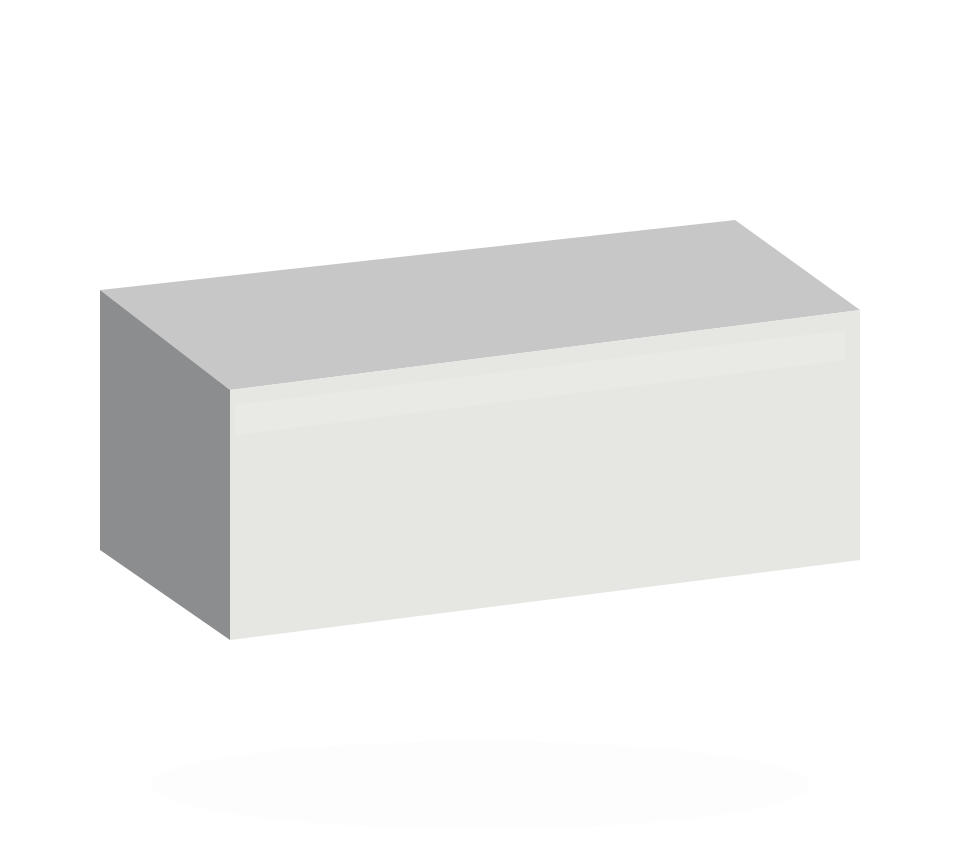
Which Grade for Your Application
Typical grade choices by application. Open a grade for its full specs, or ask us to confirm for your conditions.
Coke ovens & blast furnaces
General-purpose and super-duty linings.
Cement rotary kiln burning zone & ladle lining
Glass tank furnaces & stove checkers
Rotary kilns & glass furnaces, reducing atmosphere
Dense, low-iron grade.
Refineries, petrochemicals & steel ladles
Blast furnace hearth
Product Overview
High alumina bricks are fired refractory bricks containing 45–99% Al₂O₃, used to line furnaces, ladles and kilns operating above 1,400°C. They deliver exceptional refractoriness, corrosion resistance and load-bearing capacity at elevated temperatures.
Key Properties
- Al₂O₃ Range
- 45 – 99%
- Refractoriness
- SK 34 – SK 40+
- Bulk Density
- 2.2 – 3.1 g/cc
- Thermal Shock
- Good to Excellent
- Slag Resistance
- Moderate to High
- Bond Type
- Fired / Chemically bonded
Technical Specifications
Typical properties across the high alumina bricks range, with the applicable test standards.
| Property | Typical Value | Test Standard |
|---|---|---|
| Al₂O₃ | 45 – 90%IS 1527 / ASTM C573 | IS 1527 / ASTM C573 |
| Fe₂O₃ | 1.0 – 2.5%IS 1527 | IS 1527 |
| Bulk Density | 2.2 – 3.1 g/ccIS 1528 Pt-8 / ASTM C20 | IS 1528 Pt-8 / ASTM C20 |
| Apparent Porosity | 14 – 26%IS 1528 Pt-8 | IS 1528 Pt-8 |
| Cold Crushing Strength | 40 – 70 MPaIS 1528 Pt-4 / ASTM C133 | IS 1528 Pt-4 / ASTM C133 |
| Refractoriness (PCE) | SK 34 – 38IS 1528 Pt-1 | IS 1528 Pt-1 |
Technical Data Sheet
Chemical analysis, physical properties, test methods and available sizes for High Alumina Bricks, shared on request.
Typical values compiled from standard industry data and published manufacturer specifications. Open a grade above for its full specification, and confirm the exact grade datasheet before specifying.
Shapes We Supply
Standard brick 230 × 115 × 75 mm. We also supply arches, wedges, skews and drawing-specific profiles.
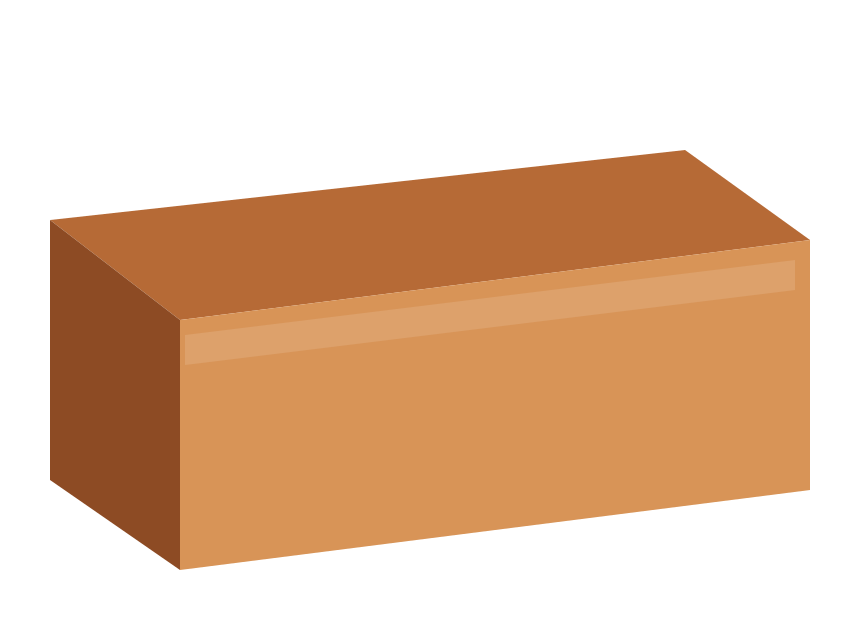
Straight
(Standard)
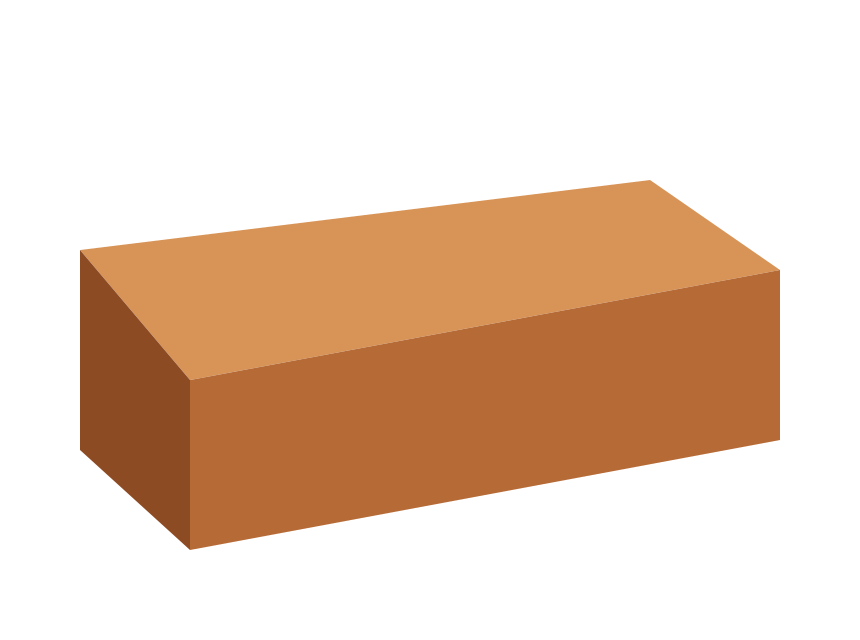
Wedge
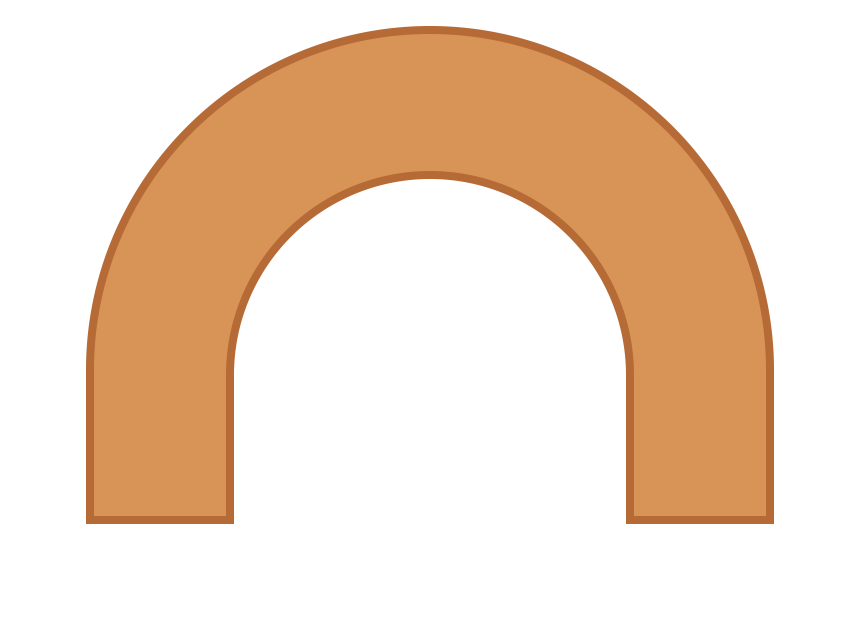
Arch

End Arch
(Neck brick)

Side Arch

Circular
(Ring)

Skew

Split
Packing & Supply
- Shrink-wrapped on pallets
- Standard brick 230 × 115 × 75 mm
- Arch, wedge, skew and special shapes to drawing
Talk to an Engineer
To recommend the right grade for your duty, send us:
Application
Furnace, kiln or vessel, and the zone.
Operating temperature
Normal and peak, °C.
Size & shape
Standard brick or the shapes you need.
Quantity
MT or number of pieces.
Drawing or spec
If you have one.
Frequently Asked Questions
The number indicates the Al₂O₃ content. Grades below 60% carry an AL code (AL-45 and AL-55, formerly HA-45 and HA-55) and grades from 60% an HA code. AL-45 is used for general-purpose and super-duty linings such as coke ovens and blast furnaces; AL-55 suits glass tank furnaces and stove checkers. AL-55 to HA-70 cover mid-range duty, including the cement rotary kiln burning zone and ladle linings. HA-80 and HA-90 are used for severe duty in refineries, petrochemical plants, steel ladles and the blast furnace hearth. As alumina content rises, refractoriness, slag resistance and price rise with it; open a grade for its full specification.
Not sure which High Alumina Bricks grade you need?
Send us your application, operating temperature, dimensions and quantity. Our refractory team will recommend the suitable grade and supply route.
Technical support
Grade selection from our refractory team
Manufacturer-backed
Supplied from established refractory makers
Pan-India & export
Supply across India, GCC, ASEAN and Africa
More in Shaped Refractories
Other shaped refractories we supply.
Mullite Bricks
High-creep-resistance mullite bricks for blast furnace stoves, glass regenerators and kiln furniture
Andalusite Bricks
Volume-stable andalusite bricks that mullitise in service for stoves, reheating furnaces and kilns
Fused Cast AZS Blocks
Melt-cast alumina-zirconia-silica blocks for glass furnace contact zones with exceptional corrosion resistance
Zircon Bricks
Sintered zircon (ZrSiO₄) bricks for glass melter paving, forehearth sub-structures and feeder expendables
Alumina-Carbon Bricks
Graphite-bonded alumina-carbon bricks for steel ladle walls, slag zones and impact pads
High Alumina Bricks
45 – 92% Al₂O₃ · up to 1600°C