
SHAPED REFRACTORIES
Pre-formed bricks engineered for extreme thermal duty
Shaped refractories are pre-formed bricks manufactured by firing or chemical bonding, providing structural integrity and thermal resistance for working, safety, and backup linings in high-temperature industrial equipment.
Company Profile (PDF)Industries Served
ALL PRODUCTS, SHAPED REFRACTORIES
 1800°C
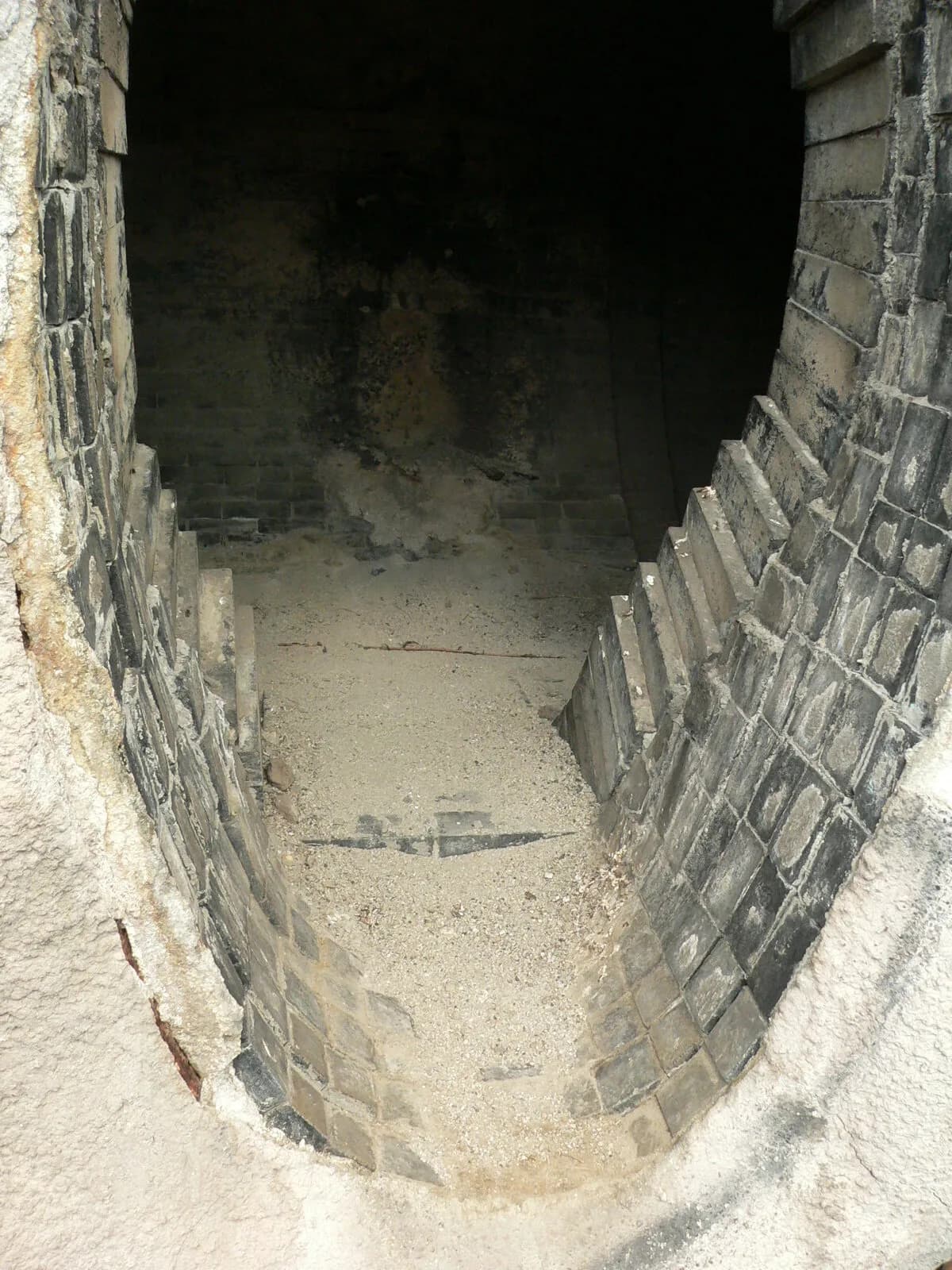
Mullite Bricks
High-creep-resistance mullite bricks for blast furnace stoves, glass regenerators and kiln furniture
 1600°C
Andalusite Bricks
Volume-stable andalusite bricks that mullitise in service for stoves, reheating furnaces and kilns
1700°CFused Cast AZS Blocks
Melt-cast alumina-zirconia-silica blocks for glass furnace contact zones with exceptional corrosion resistance
1700°CZircon Bricks
Sintered zircon (ZrSiO₄) bricks for glass tank paving, throat and slide-gate inserts
 1650°C
Alumina-Carbon Bricks
Graphite-bonded alumina-carbon bricks for steel ladle walls, slag zones and impact pads
1700°CMagnesia-Carbon (MgO-C) Bricks
Magnesia carbon (MgO-C) bricks for BOF, EAF hot spots and ladle slag lines
Popular 1850°CHigh Alumina Bricks
High alumina refractory bricks (AL45 to AL90) for steel ladles, cement kilns and glass furnaces up to 1850°C
 1400°C
Fireclay Bricks
Economical, thermally stable bricks for general-purpose furnace linings to 1400°C
 1850°C
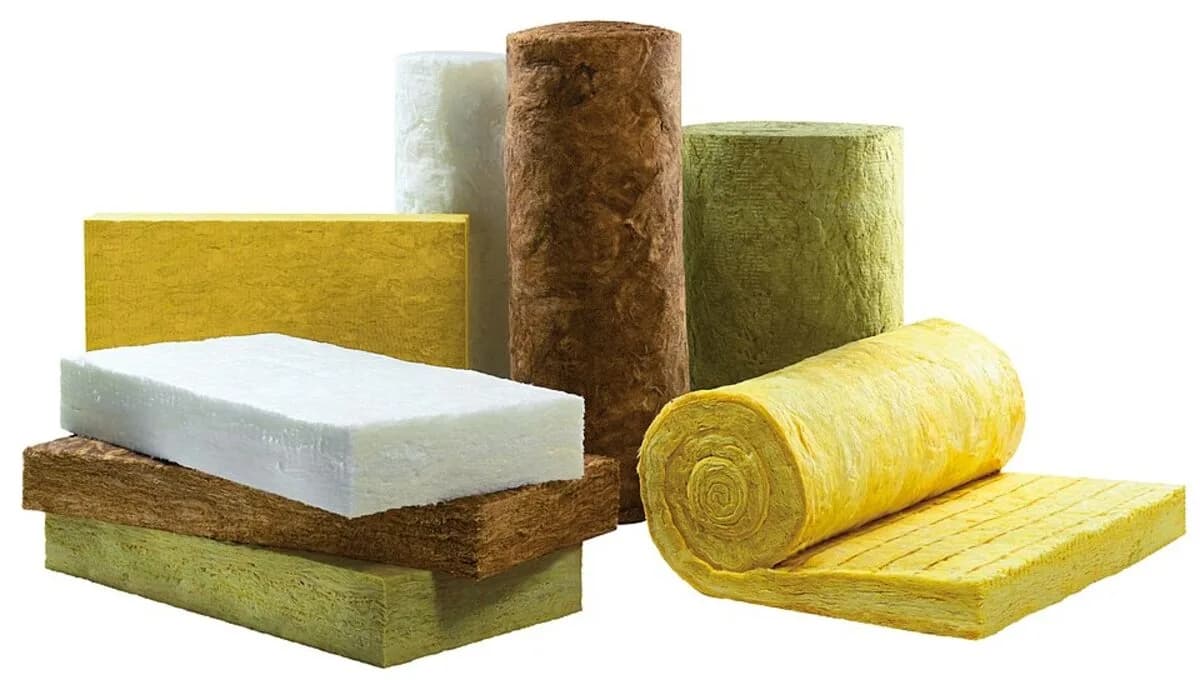
Insulating Fire Bricks (IFB)
Lightweight backup insulation reducing heat loss and energy bills
900°CCold Face Insulation Bricks (CFI)
Group 16 backup insulation for behind the working lining, to 900°C
1300°CHot Face Kyanite Insulation Bricks (HFK)
Group 23 kyanite-based insulating brick rated for direct hot-face duty to 1300°C
1800°CBasic Bricks
Magnesia-based bricks resisting basic slags in BOF, EAF and cement kilns
1650°CSilicon Carbide Bricks
Outstanding abrasion and wear resistance with high thermal conductivity
NEED A RECOMMENDATION?
Our engineers specify the right grade for your operating conditions
Talk to an EngineerSHAPED REFRACTORIES, KEY PROPERTIES AT A GLANCE
Indicative property ranges across our shaped refractories portfolio. Use this table to shortlist a sub-family before reviewing the full per-grade data sheet on the product page.
| Product | Max Temp | Al₂O₃ | Bulk Density | CCS | Thermal Cond | MgO | Carbon | Specification |
|---|---|---|---|---|---|---|---|---|
| Fireclay Bricks | 1400°C | 30-45% | 2.0-2.5 g/cc | 20-35 MPa | — | — | — | — |
| High Alumina Bricks | 1750°C | 45-90% | 2.3-3.0 g/cc | 50-120 MPa | — | — | — | — |
| Insulating Fire Bricks (IFB) | 1500°C | 30-45% | 0.6-1.3 g/cc | — | 0.15-0.35 W/mK | — | — | — |
| Basic Bricks (Magnesia/MgO-C) | 1800°C | — | 2.8-3.2 g/cc | — | — | 60-98% | 5-20% (MgO-C) | — |
| Special Shaped Bricks | 1700°C | — | — | — | — | — | — | Custom shapes available |
Values are typical ranges across stocked grades. Exact data sheets per grade and brand are available on request.
Need help choosing the right sub-family for your equipment? Talk to a refractory engineer →
Frequently Asked Questions
›What is an arch brick (end arch brick / side arch brick)?
An arch brick is a wedge-shaped, fired refractory brick used to build a self-supporting furnace or kiln roof, or a side-wall arch. Because each brick is tapered, the ring of bricks locks together under its own weight through arch action, rather than being hung from the shell. End arch bricks and side arch bricks are shaped variants used at the ends and sides of an arch to complete the ring geometry. Arch bricks are a distinct shaped-refractory category, not the same product as a refractory anchor brick (which is hung, not self-supporting) or a refractory anchor (a metal fastener) — see our refractory anchors guide for that comparison.
›Are arch bricks the same as refractory anchor bricks?
No. Arch bricks and refractory anchor bricks are both shaped, fired refractory bricks, but they work differently: an arch brick is self-supporting, held in place by arch action between wedge-shaped bricks, while an anchor brick is mechanically hung from the shell. They are used in overlapping applications (furnace and kiln roofs) but are not interchangeable specifications. For a full comparison of anchor bricks against metal refractory anchors, see our detailed refractory anchors guide.
›Can SAPL supply arch bricks to a drawing or application specification?
Requirements for arch bricks (including end arch and side arch shapes) can be reviewed against your application, dimensions, drawing or specification, operating temperature, required standard and quantity. Our technical team evaluates the requirement and advises on the appropriate refractory shape, grade and fulfilment route — send your requirement through our RFQ form or contact us directly.