35-58%
MgO Content
Typical value
1700°C
Max Service Temperature
Typical value
- Supplying refractories since 1980
- Dispatch from Delhi
- Same-day dispatch of standard stock items
- Pan-India & export
Technical Specification
Typical values. Exact values depend on manufacturer, formulation and applicable test standard.
Chemical Composition (Typical)
| Parameter | Value |
|---|---|
| MgO content | 35-58% |
| CaO content | 38-59% |
Physical Properties (Typical)
| Parameter | Value |
|---|---|
| Max service temperature | 1700°C |
Dolomite Datasheet
Chemical analysis, physical properties, test methods and available sizes for Dolomite Ramming Mass, shared on request.
Typical Applications
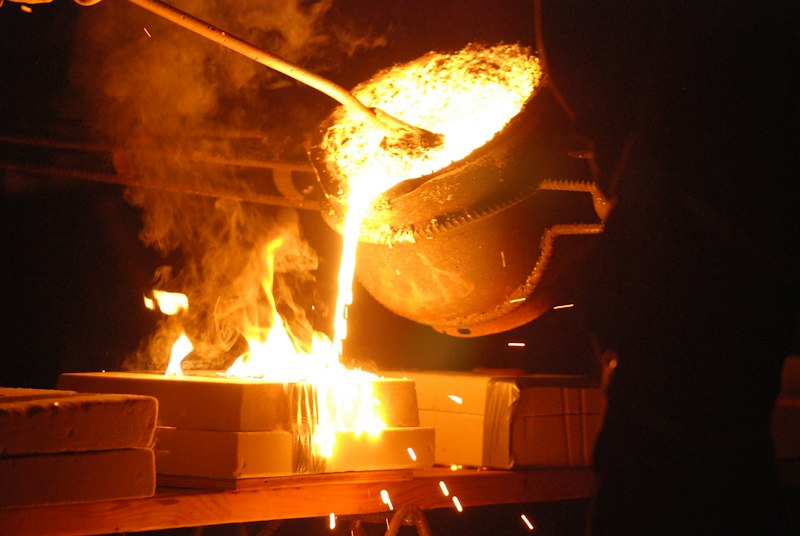
Specified for Dolomite
Steel & iron
AOD and ladle back-filling, knuckle joints, well block surround
Also used across the ramming mass range
Induction furnaces
Induction furnace crucible (iron, steel, brass); Coreless induction furnace lining; Channel induction furnace
Steel & iron
Ladle & trough repairs; EAF hearth bottom lining
Packing & Supply
- 25 / 50 kg HDPE-lined bags
- Silica, alumina and magnesia grades by melt type
- Sintering schedule supplied
- Same-day dispatch of standard stock items from Delhi
FAQ
What is Dolomite?
Dolomite is the 35-58% MgO grade in our ramming mass range, rated to 1700°C. Typical catalogue values: MgO content 35-58%; CaO content 38-59%; max service temperature 1700°C. Confirm the exact figures on the grade datasheet before specifying.
What is the magnesia content of Dolomite?
Dolomite carries 35-58% MgO.
Where is Dolomite commonly used?
Dolomite is typically specified for AOD and ladle back-filling, knuckle joints, well block surround. Applications across the ramming mass range also include induction furnace crucible (iron, steel, brass), coreless induction furnace lining, channel induction furnace and ladle & trough repairs. Send us your operating conditions and we will confirm the grade.
How is Dolomite supplied?
25 / 50 kg HDPE-lined bags. Silica, alumina and magnesia grades by melt type; sintering schedule supplied. Same-day dispatch of standard stock items from Delhi; other items are confirmed with the quotation.
Which grade of ramming mass should I choose?
The ramming mass range covers Acidic, Silica, Dolomite, Alumina and Magnesia. Acidic: 88-92% SiO₂, rated to 1600°C. Silica: 97-99% SiO₂, rated to 1650°C. Dolomite: 35-58% MgO, rated to 1700°C. Alumina: 82-92% Al₂O₃, rated to 1750°C. Magnesia: 85-95% MgO, rated to 1750°C. The right grade depends on your application and operating conditions; send them to us and we will recommend one.
How do I get a price for Dolomite, and how fast does it dispatch?
Send your application, operating temperature, lining area and quantity through the quote form, WhatsApp or +91 98999 57888. Same-day dispatch of standard stock items from Delhi; other items are confirmed with the quotation. Pricing is quoted per enquiry.
Need Dolomite or help choosing a grade?
Send us your application, operating temperature, lining thickness and quantity. Our refractory team will recommend the suitable grade and supply route.
Technical support
Grade selection from our refractory team
Manufacturer-backed
Supplied from established refractory makers
Pan-India & export
Supply across India, GCC, ASEAN and Africa
Other Ramming Mass Grades
All grades in the ramming mass range.
Values are typical and compiled by Shanker Agencies Pvt. Ltd. from standard industry data and published manufacturer specifications. They are indicative, not a guarantee. Confirm the exact grade datasheet before specifying. For a certified datasheet or quotation, contact info@shankeragencies.com or +91 98999 57888.
Dolomite Ramming Mass
35-58% · 1700°C